


Food security means that families can access safe, nutritious food every day. Without it, stress and anxiety can rise, affecting mental health. People experiencing mental health challenges are more likely to face food insecurity, creating a cycle that impacts overall wellbeing. Service providers play a vital role in reducing the impact of the challenges and supporting wellbeing.
The link between food security and mental health
- Confidence in food access lowers anxiety: Knowing meals are available reduces stress.[1]
- Regular meals support mood and focus: Balanced nutrition helps regulate emotions and concentration.[2]
- Shared meals strengthen family connection: Eating together strengthens social bonds and resilience.[3]
Common challenges for families
- Rising food costs and financial pressures.
- Limited transport to shops or food programs.
- Cultural or language barriers when finding familiar foods.
- Limited time, knowledge or confidence about healthy cooking and budgeting.
- Stigma surrounding help seeking impacting willingness to access support.
Signs of food insecurity
- Skipping meals to save money.[4]
- Anxiety about grocery shopping or bills.[5]
- Children showing changes in mood or concentration.[6]

How organisations can help
Service providers support food security by identifying needs early, reducing access barriers, and connecting families to practical resources. They build trust, reduce stigma, and promote sustainable solutions that strengthen family health and wellbeing.
If you suspect your clients might be experiencing food insecurity, consider these practical tips to provide timely and supportive assistance
- Attend training that build skills in identifying food insecurity and offering culturally appropriate support.
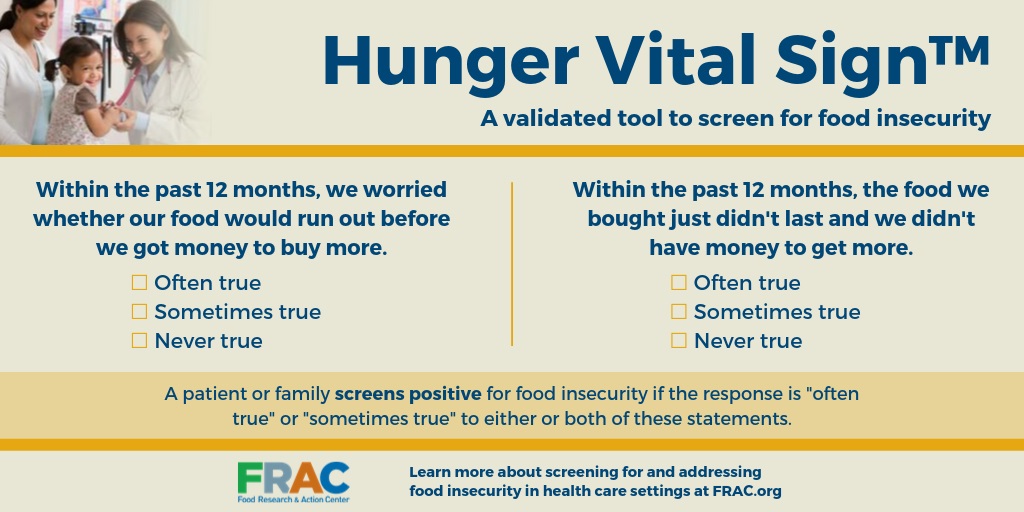
- If appropriate, screen early for food insecurity to provide timely support using tools like the SWSLHD Food Insecurity Screening Tool or the Hunger Vital Sign (2-question screening).
- Share clear accessible resources with clients: such as SWSLHD low cost free meal directories, community gardens, Ask Izzy or vouchers if eligible.
- Partner with local programs that build connection: Community kitchens and school breakfast clubs improve food access and foster social connection.
- Offer emotional support through counselling or peer support programs.
Online training for service providers
- Monash University Training Webinars: Food security in Australia
- Food and Mood: Free Online Course (Deakin University): Improving mental health through diet and nutrition.
- Safe Principles for Frontline Workers: Pages 10-13 on responding to food insecurity.
- The Emily Program: Food Insecurity Training: An often-forgotten element impacting eating disorder recovery.
- If your team is interested in food security training, contact SWSLHD-HealthyEnvironments@health.nsw.gov.au
Helpful information
- Australian Institute of Family Studies - Practice Guide: Essential guide for identifying and responding to food insecurity in Australia.
- Eating for a Healthy Headspace (Headspace): Relationship between food and mental wellbeing
- Measuring Indigenous Food Security: Research and best practices
References
[1]Ejiohuo O, Onyeaka H, Unegbu KC, Chikezie OG, Odeyemi OA, Lawal A, et al. Nourishing the mind: How food security influences mental wellbeing. Nutrients [Internet]. 2024 Feb 9;16(4):501–1. Available from: https://www.ncbi.nlm.nih.gov/pmc/articles/PMC10893396/
[2] Department of Health & Human Services. Food and your mood [Internet]. www.betterhealth.vic.gov.au. 2023. Available from: https://www.betterhealth.vic.gov.au/health/healthyliving/food-and-your-mood
[3]Chen YC, Lee CS, Chiang MC, Tsui PL, Lan BK, Chen YJ. Nourishing Holistic Well-Being: The Role of Family Dynamics and Family Cooking. Healthcare [Internet]. 2025 Feb 14;13(4):414. Available from: https://pmc.ncbi.nlm.nih.gov/articles/PMC11855907/
[4] Salvation Army. Food Insecurity Report 2025 | The Salvation Army Australia [Internet]. Salvationarmy.org.au. The Salvation Army Australia; 2025. Available from: https://www.salvationarmy.org.au/the-red-shield-report-2025/food-insecurity/
[5] Nurdi T. The price is not right: How increasing grocery prices impact food security in Australia | Australian Human Rights Institute [Internet]. www.humanrights.unsw.edu.au. 2024. Available from: https://www.humanrights.unsw.edu.au/students/blogs/increasing-grocery-prices-impact-food-security-australia
[6] Harshal Sisodiya. Hidden Hunger in Kids Recognizing Symptoms and Impact [Internet]. Foodbank of Southeastern Virginia and the Eastern Shore. 2025. Available from: https://foodbankonline.org/blog/hidden-hunger-in-kids/